Editorial guide · 4 min read
Finding festival programmes in Penang
Penang event listings cover different parts of the state, including George Town, other parts of the island and mainland venues.
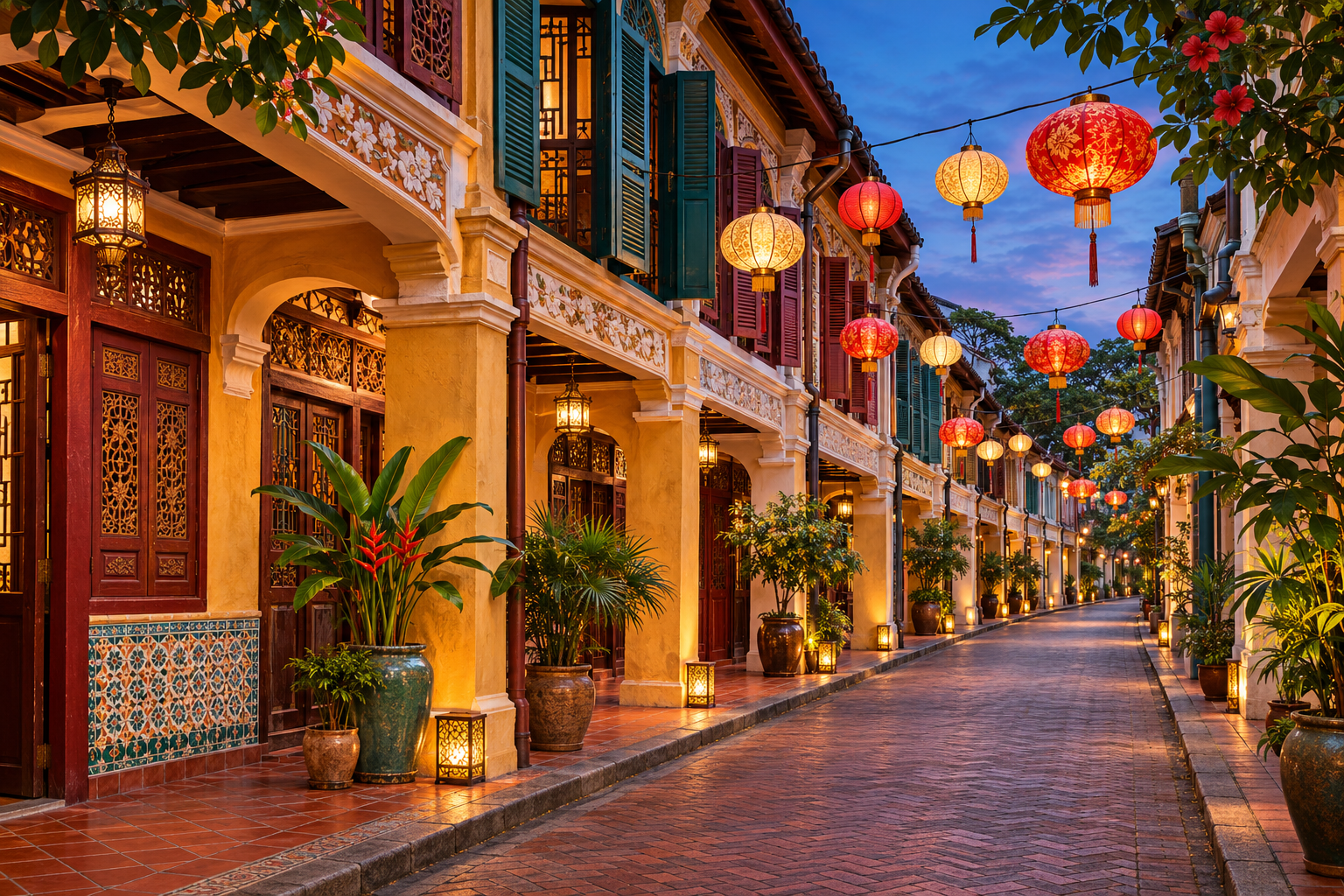
Finding a festival in Penang starts with choosing the part of the state you can visit and the kind of programme you want to attend. A state calendar may list a concert in George Town, a neighbourhood celebration elsewhere on the island and an activity on the mainland for the same weekend. The listings can all be useful, but the addresses and programme times determine whether they fit into one visit. Use the calendar to build a shortlist, then check each activity with the organiser before making an itinerary.
Find the programme for the current edition
Penang Global Tourism publishes an events calendar and provides information on places and travel around the state. Start with an event title and date range from the calendar, then identify the organiser and look for its current programme. A recurring festival may have several years of programme pages online. Confirm the year from the programme itself and check whether the location matches the edition in the listing. When a calendar entry mentions an event series, check which individual activities fall within your travel dates.
Different parts of a programme may have their own entry terms. A free exhibition and a registered workshop can appear on the same festival page. A public performance may begin at a fixed time, while a gallery exhibition has opening hours and a final admission time. Note which requirement applies to each stop, and check whether reservations are made through the organiser or the individual venue. If the available information is limited to the festival date range, keep that stop provisional until a current schedule identifies the activity you want.
Group stops by neighbourhood and travel time
Open the address for every shortlisted activity and identify the part of Penang it is in. Compare the actual venue entrances rather than relying on a broad location label such as George Town or Penang Island. Two events advertised under the same destination may be separated by a journey that is difficult to fit between performances. If a programme crosses the island and mainland, allow time for the full journey, including the connection from your arrival point to the venue. A good plan often groups the confirmed stops in one area and treats other districts as separate outings.
Look at each connection in the order you will use it. Record the first journey from your accommodation, the walk or ride between events, and the trip home. Rapid Penang provides bus information that can help identify available routes. Check the operator’s current information for the route, direction and timing you actually need. If a festival uses street space, review the organiser’s access notice and any relevant transport updates before committing to a connection. The stop nearest a venue on a map may not provide the best approach during an event.
Plan around the type of activity
A fixed performance or guided visit works well as an anchor because its time is known. Add an exhibition, market or other activity with a flexible arrival window around it, allowing for travel and entry queues. If your preferred stop is a procession, check the published route, where public viewing is permitted and what changes are expected near your route. The location of a procession can be described as a route rather than one address, so identify the segment you want to reach and a separate departure option.
Check practical requirements with the specific venue. A programme at a heritage property may use an entrance or room that differs from the building’s ordinary visitor route. Ask whether a particular doorway, lift or step-free approach will be available during the programme. Check seating, toilets and any restrictions on bags or photography if those details matter to the group. If the event is outdoors, identify a nearby alternative that has verified hours. A fallback can be useful when weather changes, an activity reaches capacity or the group needs a shorter visit.
Example of a two-stop itinerary
Suppose a family finds a fixed-time performance and an exhibition in George Town. The performance has advance registration, while the exhibition page gives a broad window for entry. The family can reserve the performance first, record the time registration closes and add the exhibition only if the journey and admission window fit. If the exhibition is a longer walk than expected, visiting it on another day preserves the confirmed booking. This is easier to assess when each entry includes an exact address and an arrival deadline.
The same calendar might list a food event in another district that evening. Before adding it, check the advertised venue, the last practical return connection and whether anyone in the group needs to leave earlier. If the travel time makes the evening stop uncertain, save the listing as an alternative rather than promising that the whole group can attend. This approach leaves room for a change without requiring everyone to abandon the itinerary.
Verify changes before setting out
Save the current programme and the organiser’s contact details. On the day, check for updates to the activity time, location and admission arrangement. If only part of a festival is delayed or moved, revise the affected stop and leave the confirmed ones in place. Share the updated link and address with everyone travelling. A useful itinerary tells the group where to go, when to arrive, what must be booked and which notice should be checked if anything changes.