Editorial guide · 4 min read
Attending a Hari Raya open house in Malaysia
Open houses around Hari Raya can be private invitations, community gatherings or events announced for the public.
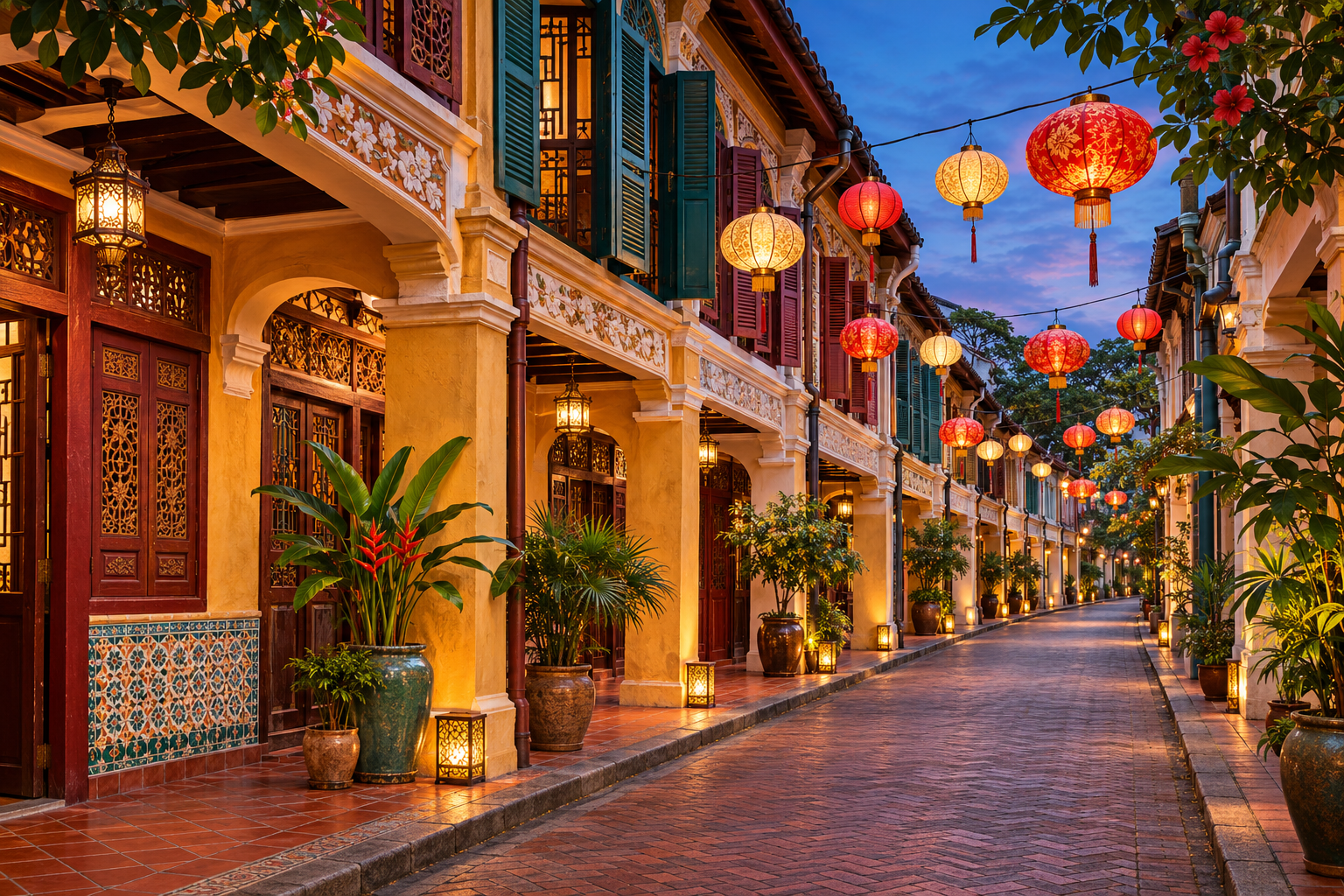
Hari Raya Aidilfitri marks the end of Ramadan. Tourism Malaysia describes open houses as an established part of the festive period, with hosts welcoming relatives and friends. The term can also appear on announcements for community gatherings and public programmes. The arrangements depend on the host and venue. Before attending, identify who is hosting the gathering, who is invited, when guests can arrive and what the announcement says about entry. A little preparation helps a visitor respect the host’s plans and choose a gathering that suits the group.
Confirm whether the invitation is public
An open house announced by a local organiser may welcome the public, while one at a home or workplace may be limited to people invited by the host. A forwarded message may omit the original audience or include details meant for a particular group. If an announcement does not say who can attend, check with the host before travelling or sharing the address. For a public programme, look for the organiser’s original notice and read any registration instructions. The words open house alone do not establish that everyone may enter without booking.
Use the date and time given for the gathering. A festive observance date provides context, while each host chooses when to receive guests. A public event may be scheduled on another day within the festive period. Check the year and venue, especially when search results include reports from previous celebrations. Save the current announcement with its address and contact details. If the host gives an arrival window, plan within it and check whether the stated closing time is the end of admission or the end of the programme.
Ask about access and arrival
A community hall, outdoor site and private home can have different arrival arrangements. For a public gathering, check whether the entrance is named and how visitors reach it from a station, parking area or drop-off point. If access requires a ticket or registration code, keep it ready before joining the queue. Confirm whether the programme identifies a specific entrance for visitors who need a shorter walk or step-free access. A venue’s ordinary access information may not show the arrangements for a temporary gathering.
For a private invitation, ask the host when it is convenient to arrive and whether bringing additional guests is appropriate. If a visit overlaps with other plans, give the host a realistic idea of when you can attend. Ask about parking or drop-off if the address is on a residential street. A quick question before the visit is easier for the host to answer than an unexpected request when guests are already arriving. For a larger group, share the confirmed details with the people attending rather than publishing a private address.
Follow the host’s guidance
Use the host’s instructions on dress, entry and photography. An event announcement may state expectations directly. If an invitation is informal and you are unsure, ask the host rather than treating a general etiquette guide as a rule for every household. At arrival, greet the host when there is a suitable opportunity and follow the arrangements for entering and taking a seat. At a public gathering, stewards or signs may indicate where guests should queue, collect refreshments or wait for a programme item.
Ask before taking photographs that identify guests or show private areas. An event may have an official photography area while still limiting photography elsewhere. If you plan to post a photo, check whether the people shown are comfortable with it. At a private gathering, follow the host’s wishes about sharing the location or details of the invitation. For a public programme, link to the organiser’s announcement when sharing practical information so readers can check whether any arrangements have changed.
Check food arrangements when they matter
Food service can vary by host and venue. If a member of the group has a food allergy or another dietary requirement, ask about the specific dishes and preparation arrangements before relying on them. A general menu or photograph cannot confirm every ingredient or how food was handled. At a public event, ask which staff member can answer questions about the service. If an answer is unavailable, plan for the guest’s needs independently and let the organiser know about any arrangement that affects the visit.
Allow time for queues and follow the host’s serving arrangements. A gathering may provide food throughout an arrival window or serve it at particular times. Where refreshments are an important part of the visit, check what the programme says rather than assuming that every listed hour offers the same service. For a short visit, identify the purpose of attending and decide which part of the programme you can realistically join.
Example of checking a forwarded invitation
Suppose a family receives an image naming a hall and a date, but the sender does not know whether the gathering is public. The family can search for a dated notice from the named organiser and check whether advance registration is required. If the organiser confirms public admission, the family can then ask about step-free entry and an appropriate drop-off point. If the gathering is limited to invited guests, the family can keep the address private and look for a separately announced public event. These steps resolve the practical questions without assuming that the wording of a forwarded image is complete.
Before leaving, confirm the time, venue and entry details once more. Keep the host’s contact available, and share any revised arrangement with the group. The visit is easier to plan when the invitation, access and expectations all come from the people hosting the gathering.