Editorial guide · 4 min read
Finding Chinese New Year events in Malaysia
Chinese New Year listings can include temple visits, lion dances, markets and performances.
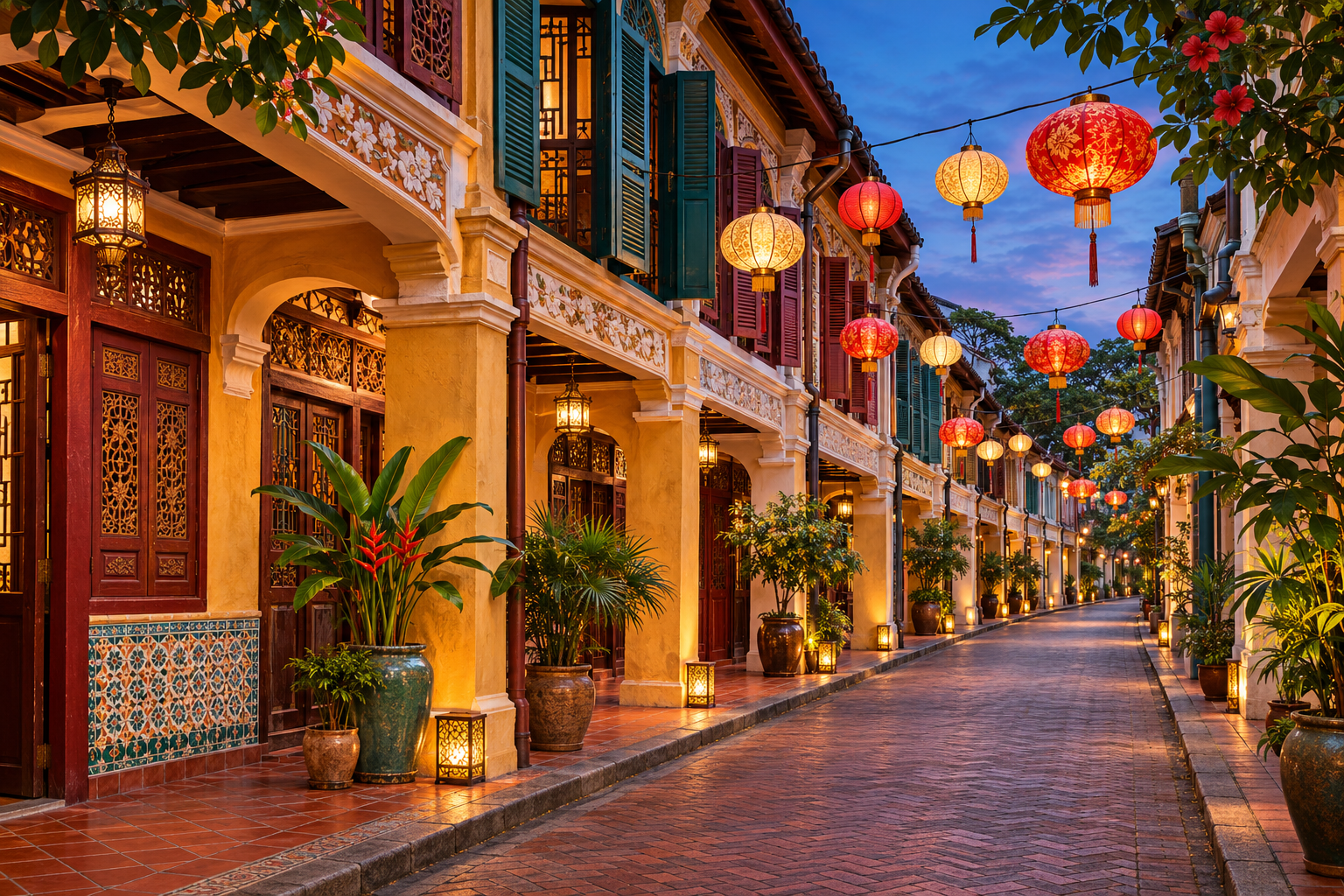
Chinese New Year events in Malaysia can include performances, community celebrations, markets and programmes at places of worship. These activities may take place on different days and follow different entry arrangements. Start by choosing the activity you want to experience, then find a programme for the particular city, venue and year. This makes it easier to distinguish a scheduled public performance from a general description of the festive period. It also gives you a clear basis for planning transport, checking access and deciding whether a reservation is needed.
Search for the activity and its host
Use the activity name as well as the festival name when searching. A visitor looking for a lion dance can search by the venue or organiser and look for a dated schedule of performances. Someone interested in a market should check the organiser’s trading days, hours and address. For cultural programmes in Penang, the tourism board’s trade booklet describes Miao Hui as an example of an annual event that presents traditional Chinese culture. The booklet helps identify the programme and its purpose. Use current event sources to establish the timing and activities of a specific edition.
Check whose notice you are reading. A cultural association, venue, shop or municipal organiser may run its own event. A headline can mention a district while the details identify a particular street, hall or entrance. A regional calendar is useful for finding the title and location, but an individual venue’s announcement may provide the exact session or entry requirement. Keep a link to both if the calendar helps establish the wider programme and the organiser’s notice confirms what you plan to attend.
Check dates at the level of an individual performance
When a celebration spans several days, use the schedule for your intended day. A mall or community venue might list a dance on more than one date with a different start time on each day. A festive market might remain open throughout a weekend while a performance takes place during one hour. Record each activity as a separate entry, with its location and time. If a listing gives only the dates of the wider festival, ask for the schedule of the activity that matters to you before setting your travel time.
Search results can keep older programmes visible long after an edition ends. Check the year in the notice and the date of any subsequent update. A poster that lacks a year can be hard to interpret when reposted. Look for the original publication on the organiser’s or venue’s channel. If an older programme is the only schedule you find, use it to understand the kind of activity that may be offered and keep the current time unconfirmed. This is particularly useful when choosing whether to travel for a single performance.
Understand the venue and admission
For a performance, find out whether visitors watch from a public area or enter a reserved space. A published event may be free to watch but still operate within a designated area. If advance registration is mentioned, check who handles it and whether confirmation is required at the entrance. Allow time to find the correct part of a venue, particularly when a programme lists several floors, stages or street locations. Ask about the route to the viewing area if someone needs step-free access or a place to wait away from the main crowd.
For a visit to a place of worship, consult that venue’s own visitor guidance. A nearby market or street celebration may have different access rules from the worship space. Check the relevant opening times, dress guidance and photography arrangements. Follow signs and staff directions on arrival. For a private celebration or community gathering, verify whether the invitation is open to the public. If an organiser publishes separate instructions for participants and spectators, use the instructions that match your role.
Build a visit around one confirmed stop
Suppose a group plans to spend an afternoon in a heritage district and wants to see a lion dance. The venue has published a showtime, but a nearby market’s exact hours are unclear. The group can make the performance its main stop, identify the entrance and note how early it needs to arrive. It can then add the market if the organiser confirms a trading window that fits before or after the show. If the market opens later than expected, the performance remains a workable visit.
A second listing might show a different performance at another site on the same day. Compare the walking or travel time and the two arrival requirements before trying to attend both. Account for the time needed to leave a viewing area and find the next entrance. If the gap is short, select the programme the group is most interested in and save the other as a fallback. The goal is a visit that can still work if one queue or connection takes longer than planned.
Check the organiser again before setting out
Save the event title, edition, venue, activity time, admission details and latest source. Keep the organiser’s contact for questions that cannot be answered from the announcement. On the day, confirm whether the activity has moved or changed time and share any new entrance details with the group. If an update concerns only one item, review that stop separately from the rest of the visit. An itinerary built from confirmed activities gives you room to explore nearby celebrations without relying on unverified programme details.