Editorial guide · 4 min read
Planning a Deepavali visit in Malaysia
Deepavali is observed in different settings, from family and religious observances to community events and festive markets.
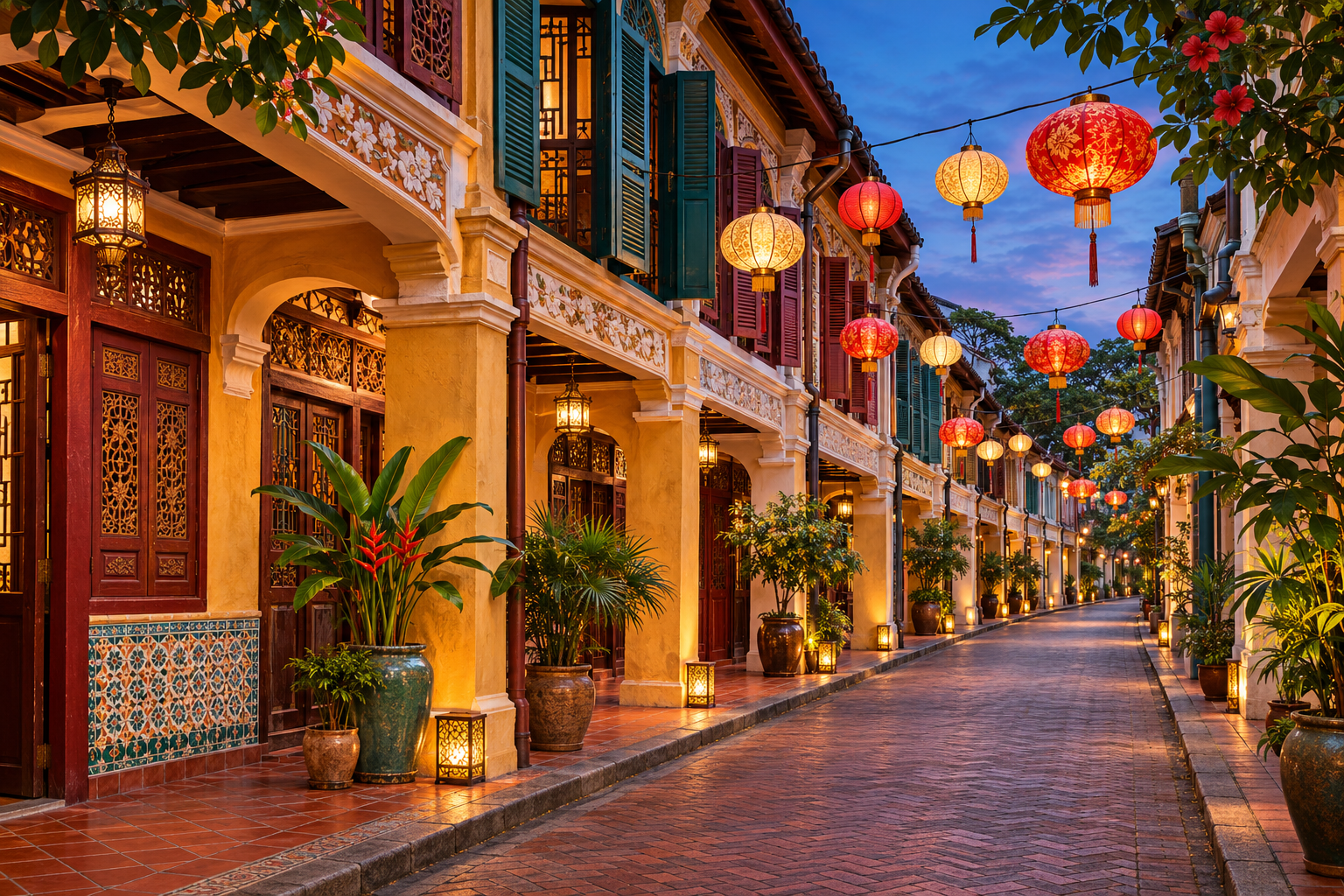
Deepavali, also known as the Festival of Lights, is observed by Hindu communities in Malaysia. Tourism Malaysia describes light as a symbol of the victory of good over evil and discusses more than one tradition associated with the occasion. Visitors can learn about the celebration through public markets, cultural programmes and places that welcome visitors. Family and religious observances have their own arrangements. Start by deciding whether the visit is for a public programme, shopping, or an invitation from a host. This helps identify the source that can confirm the date, access and expectations for the visit.
Choose an activity and confirm its schedule
A festive market may operate before the observance and follow a separate trading schedule. A cultural performance might take place on one evening or be part of a longer programme. Look for the name of the organiser, the edition, the exact address and the date and time of the activity. A holiday listing helps establish the context for the occasion, while a current venue or organiser announcement is the appropriate source for opening hours and admission.
Older travel guides can explain the cultural setting and suggest areas to explore. Their event dates need to be read in the context of the year in which they were published. Check a current programme before making a reservation or travelling for a particular activity. When a listing gives only a neighbourhood and a range of dates, look for the stall area, stage or entrance in the organiser’s notice. If no time is published for the activity you want, retain that detail as pending and make a plan that can work without it.
Plan a market visit at street level
Find out where the market starts and ends, how visitors enter and whether it occupies an indoor or outdoor area. A commercial district can contain several clusters of shops and stalls. A map search may point to the centre of a district without showing where the programme takes place. Check the venue information and choose an arrival point that fits the actual approach. If the organisers publish a map, save the relevant part and note which entrance to use.
Consider how the group will move around after arrival. A visitor who wants to browse fabric or decorations may spend more time in shops than someone attending a scheduled performance. Set an approximate meeting time and place for people with different interests. If someone needs seating, a shorter walk or step-free access, ask about the route and facilities for the event. For an outdoor programme, choose a nearby alternative with confirmed hours if the group needs shelter or an earlier departure.
Check visitor arrangements at a place of worship
If the itinerary includes a temple, use that temple’s visitor guidance or contact the venue directly. Find out whether it welcomes visitors at the planned time and which areas they may enter. A religious service can have different arrangements from a general visit. Check any instructions about dress, footwear, photography or where guests should wait. Follow directions at the venue, particularly if part of a space is set aside for worshippers or a ceremony.
Treat a street celebration and a visit to the worship space as separate stops. The public street programme may be managed by a different organiser and have a different schedule. If the group is unsure about participating in an activity, ask the host or a person responsible for visitors. Keep time for the venue’s actual entry process rather than setting a tight connection to a second event. Ask before taking photographs of people or activities in a private or religious setting.
Prepare for an invitation or a food stop
For a household or community invitation, confirm who is invited and when the host expects guests. An address circulated to a group may be intended for that group only. If bringing another person, check with the host in advance. At a public event, read the notice for any registration or ticket requirement and check what the programme includes. A general reference to refreshments does not establish what will be served or at what time.
Where a guest has a dietary requirement, ask about the dish and preparation rather than relying on its name or appearance. If a market vendor cannot confirm the information the guest needs, select another option. For a group visit, agree whether a meal is part of the itinerary or whether visitors are free to browse. This keeps the plan flexible if an individual stall has a queue, closes earlier than expected or does not have the items the group is looking for.
Example of a two-part visit
Suppose a family wants to visit a festive market and attend a public performance in the same district. The market organiser has announced trading hours, while the performance venue has a fixed showtime and an entry deadline. The family can plan around the performance and allocate a flexible period for the market. It should check the actual route between the two stops and allow time to leave the market and find the performance entrance. If one member needs a step-free route, the family can verify it with the venue before committing to the second stop.
Check the current programme again before leaving. Save the address, time, admission information and source for each stop. If the organiser changes the schedule, revise the affected activity and keep the confirmed parts of the visit. A workable Deepavali itinerary makes room for cultural context, respects the arrangements of hosts and gives each visitor clear information about where to go and what to expect.