Editorial guide · 4 min read
Planning a Merdeka event visit
A Merdeka celebration may include a parade, concert, exhibition or local gathering.
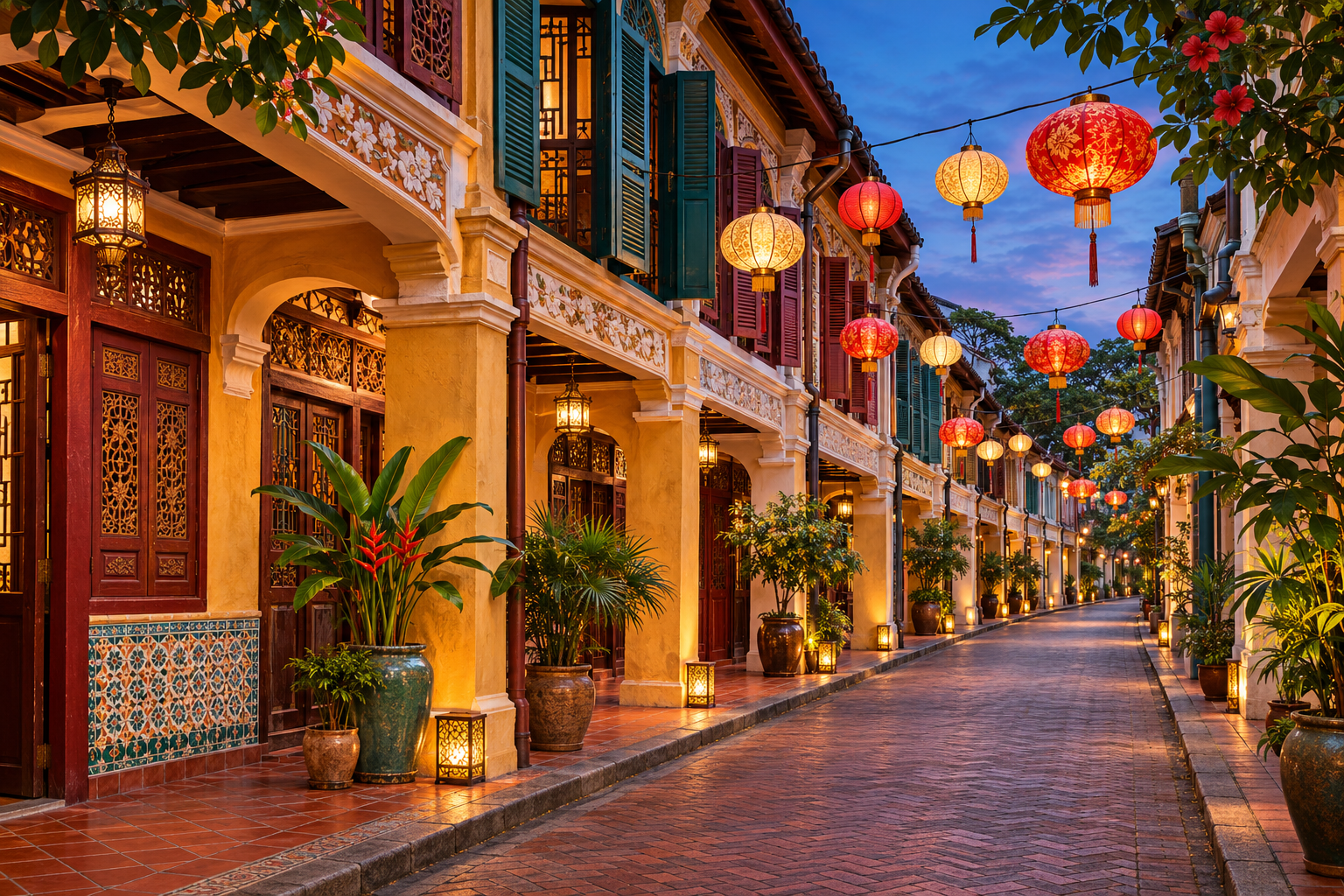
A Merdeka visit can involve a national ceremony, an eve countdown, a local exhibition or a community programme. Each may have its own organiser, venue and entry arrangements. Decide which activity you want to attend before choosing a travel route. A calendar date identifies the observance, while the announcement for the actual event establishes where the public should go and when to arrive. A useful itinerary names the event edition, the entrance, the programme item and the plan for getting home.
Identify the programme and edition
Merdeka360 publishes information on the national celebrations and distinguishes Hari Kebangsaan, Ambang Merdeka and Hari Malaysia in its programme information. Use the relevant listing as a starting point when looking for a national event. Local programmes may be managed by a different organiser and have their own schedules. Search by the event name, year and venue. When the same place appears in reports from previous years, check that the latest notice actually names it for the edition you plan to attend.
Select the specific activity that matters most. If the visit is for a parade, find the published time and route or the designated viewing area. For a stage programme, look for the session and entrance. For a countdown, check the scheduled entertainment and any separate notice about fireworks. A picture of a display from a previous event is useful as context. A current programme or organiser notice is needed to confirm a display for the intended evening. Save the source and mark any expected programme item as pending until it is announced.
Translate the event map into an arrival plan
Read the map or access notice with your starting point in mind. A parade route can extend across several streets, and a map marker may identify an assembly area or main stage instead of a place where spectators should enter. Choose a specific entrance or public viewing area from the organiser’s instructions. Identify how to reach it from the transport stop or permitted drop-off point. Note whether the planned walk depends on a crossing or road that is restricted for the event.
Check arrival deadlines separately from programme times. An organiser can ask spectators to enter before the first activity, and a reservation may have its own conditions. Allow for the time required to walk from transport, find the correct entrance and complete any check-in. A group with children, older visitors or anyone who needs a shorter route should verify the approach and viewing arrangement in advance. Ask about the route during the event itself, including any changes to temporary entrances and facilities.
Build the departure plan early
Choose a return route before leaving for the event. Check the available services and any changes published by the transport operator for the event date. If using more than one service, confirm each connection and allow time to reach it after leaving the viewing area. A route used on the way in can be unavailable on the way out if temporary barriers or staff instructions direct visitors elsewhere. Identify a second route or a permitted pickup point that the group can reach without relying on the same restricted crossing.
Share an agreed meeting point, especially if people will arrive separately or leave at different times. Pick a location with a clear name or address and make sure it falls within the area visitors can reach. Save the details before travelling. If a pickup is arranged, tell the driver which point to use and check whether it remains accessible at the expected time. Avoid giving only the general event address when the venue has several approaches or a road is closed.
Example of choosing a viewing area
Suppose a group finds a current parade notice with several public viewing sections. One section is close to the centre of the programme, but reaching it from the group’s station requires a longer walk and a controlled crossing. Another section is farther from the main stage and has a published approach from a different stop. The group can compare the views it wants with the actual arrival and departure routes. If a member needs a shorter walk or may leave early, the second section may be a better fit if the organiser confirms access.
Now suppose the organiser updates the notice and moves the entrance for that section. The group can keep the same programme time while changing the station exit or meeting point. Check whether the new route still meets everyone’s needs. Share the dated update rather than the older map and make sure everyone knows which entrance applies. If the new route is unsuitable, move the visit to another confirmed section or choose a different programme that the group can reach.
Recheck practical details before leaving
Keep the event name, year, activity time, entrance and original source together. Check the organiser’s latest notice for changes to timing, public access and the programme. Revisit the return plan if the activity is delayed or moved. If the group has paid for a separate ticket or transport service, check the relevant conditions before changing a booking. A nearby exhibition or other confirmed activity can serve as an alternative if the main programme no longer fits the itinerary. The final plan should be short enough to share and specific enough that every visitor knows where to arrive and how to leave.