Editorial guide · 4 min read
Planning an accessible festival visit
Accessibility information is most useful when it describes the whole route, from arrival to entry, viewing, toilets and departure.
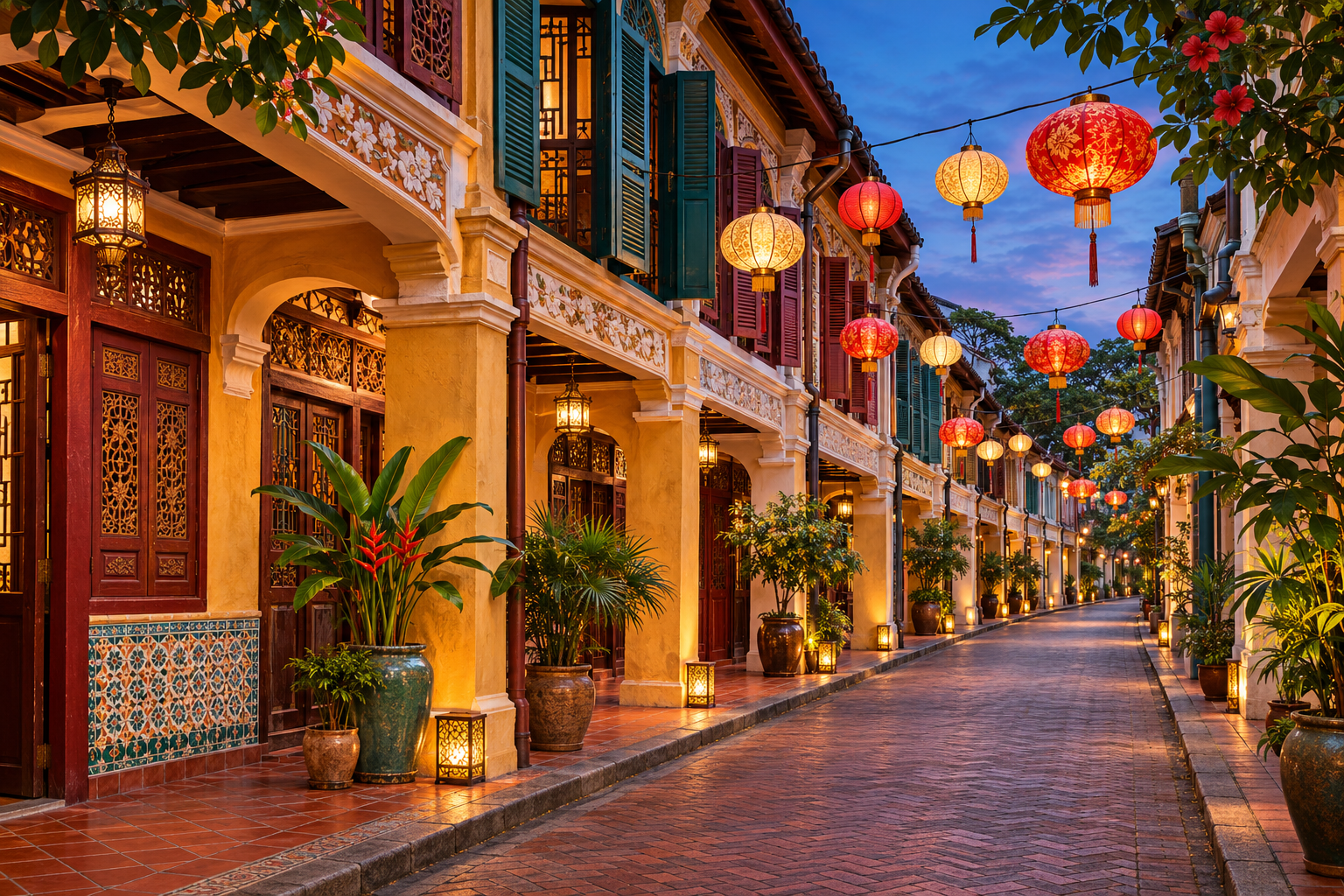
An accessible festival visit depends on the whole journey. An entrance may be step-free while the route from the transport stop has an obstacle. A viewing area may be suitable but require a booking that is separate from the general admission ticket. Ask the people travelling which arrangements matter to them, then confirm those details for the specific event. Record the answers in an itinerary that covers arrival, entry, participation, facilities and departure.
Ask about the route from the actual arrival point
Start with the way the visitor expects to arrive. For a rail or bus journey, identify the station, direction of travel and exit that leads towards the venue. Rapid KL’s passenger guide uses signs to identify station facilities, including lifts and accessible facilities. Use the transport operator’s information to understand the station and check current conditions for the journey. A lift at the station does not answer whether the street route from its exit to the event is usable. Confirm the next part of the journey separately.
If arriving by vehicle, ask the event organiser for the drop-off point that serves the accessible entrance. A main car park or pickup address may lead to a different gate. Check the distance, likely waiting arrangements and whether temporary traffic controls affect the approach. If the plan depends on a particular gate, ask what happens if it closes during the programme. Save the address, gate name and contact for arrival problems. The return pickup point may differ, so verify it in advance rather than assuming a driver can use the same route after the event.
Describe the needs that affect the visit
Ask each visitor what they need to know and what they prefer to arrange themselves. Useful questions can cover step-free access, the type of ground surface, opportunities to sit, toilets, captioning, an interpreter, or a quieter place to wait. Requirements vary across visitors and activities. A person may be able to walk a short distance and need seating during a long queue. Someone else may need a route with enough clearance for their mobility equipment. Ask about the exact conditions that affect the person’s visit without requesting personal information that the organiser does not need.
Use specific questions when contacting a venue. For example, ask whether there is a continuous step-free route from the announced entrance to the viewing area, what the surface is like and whether it remains open when the performance ends. If there is a ramp or lift, ask where it is and whether event arrangements affect access. If a companion will attend, check whether the companion can use the same entrance and stay with the visitor at the viewing area. Note any ticket or reservation requirements for each person.
Verify facilities for the event layout
Ask whether designated viewing places are available and how visitors reserve them. Some events allocate spaces in advance, while others use a first-arrival arrangement. Find out when visitors should report and whether they must leave and re-enter to reach another programme item. Check which toilets or rest areas will be open during the event and how far they are from the viewing place. If you need information about announcements, ask how timetable changes are communicated and whether staff can direct visitors to an alternate route.
For an outdoor programme, ask whether the route uses paved ground, temporary flooring or an unpaved surface. Ask which parts of the event may change if the weather changes. An accessible entrance is useful only if the approach, viewing area and departure remain workable for the visitor. Keep a nearby alternative with confirmed facilities when the event route cannot be verified. The alternative should suit the group’s interests and be reachable from the point at which the original plan may need to change.
Work through an example
Suppose a visitor using a wheelchair plans to attend a performance in a park. The general event page lists a street entrance and a start time. The visitor contacts the organiser and confirms that an accessible viewing area is available through a second entrance. The organiser explains that the route uses a paved path and names the entrance for visitors who have reserved a space. The visitor can record that entrance, the arrival deadline and the route to the nearest open facility. A friend arranging a pickup can use the confirmed exit and meeting point.
If the organiser can confirm the entrance but cannot yet confirm the surface near the viewing area, record the missing information and ask when the layout will be final. The group can keep the plan provisional and select another performance at a venue where the route is already known. If the final layout later confirms the required access, the group can proceed with the original booking. This gives the visitor a meaningful choice without treating an incomplete reply as confirmation.
Share the final plan and recheck changes
Before leaving, review the organiser’s latest notice and the transport information for the day. Check any facility or route on which the visit depends. Share a short plan containing the entrance, arrival time, viewing arrangement, facilities, exit and pickup point. Include the relevant venue or operator contact so a change can be checked directly. If an accessible route or facility becomes unavailable, follow the visitor’s preference about whether to use the alternative or reschedule. The value of the plan is that each person can make an informed decision from the details that affect their own visit.