Editorial guide · 4 min read
Planning a Kuala Lumpur countdown visit
Kuala Lumpur countdowns can take place at multiple venues.
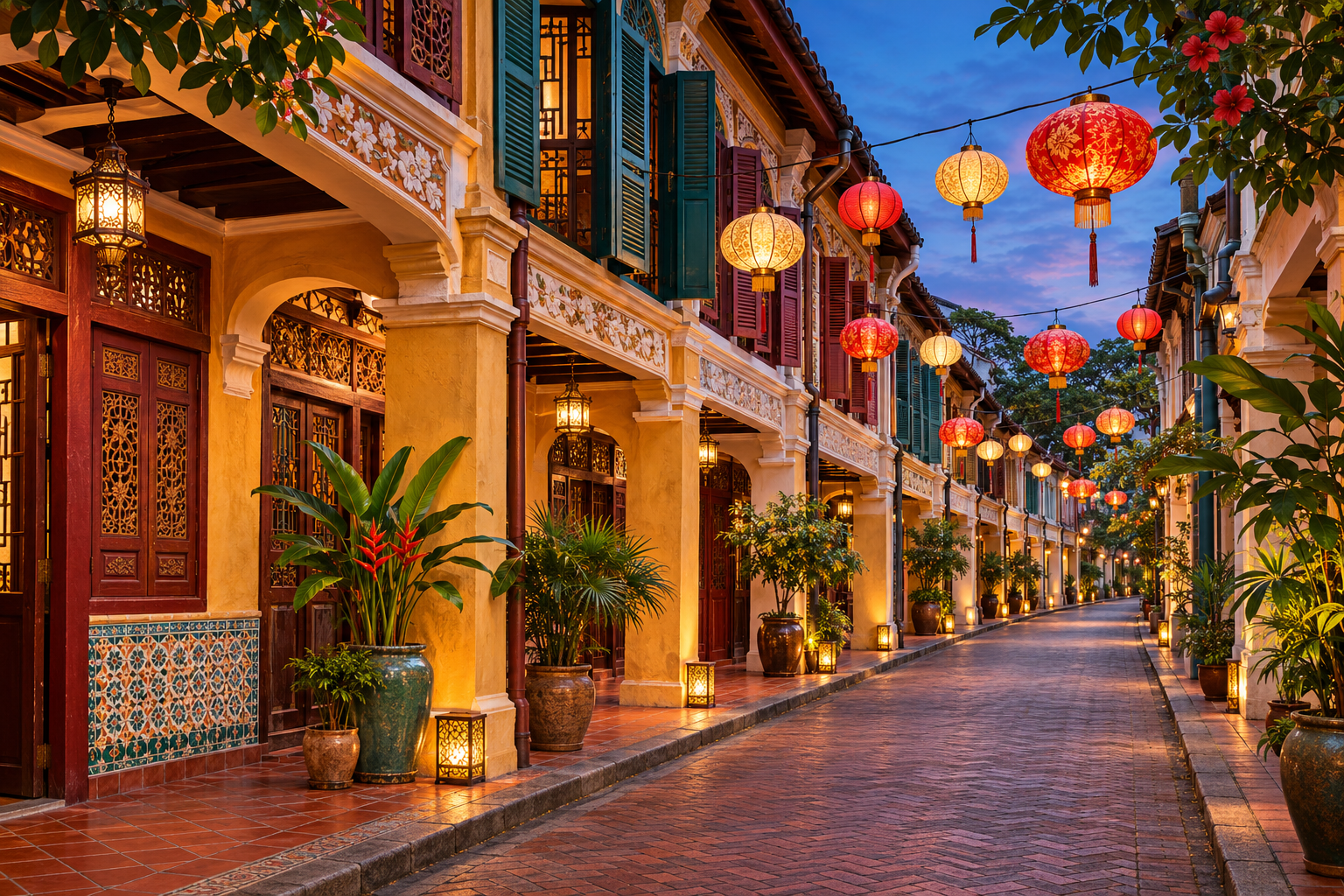
A Kuala Lumpur countdown itinerary should identify the venue, the programme and a workable journey home. Start with the activity that matters most to your group, such as a performance, a public countdown or a confirmed fireworks display. Then check the latest notice for that particular edition. The city name alone does not establish where you should enter, when the programme begins or whether an announced celebration includes fireworks. A short plan with verified locations and transport options is easier to update when the organiser issues a change.
Select a venue before planning transport
Find a current announcement from the venue or organiser. Record the event name, date and street address. Confirm whether admission involves a ticket, registration or an entry queue. If a celebration has several stages or public areas, check the programme for the location of the activity you want to see. A map pin for a shopping centre or large precinct may point to a different entrance from the one designated for the event.
Check the publication date when comparing listings. Archived articles can provide context about the setting, while arrangements for the next edition require a current notice. If a headline mentions fireworks, check the actual programme for a display, its timing and any conditions. A venue can confirm a countdown before finalising other parts of the entertainment. Keep the display marked as unconfirmed if the organiser has yet to announce it. That distinction helps when choosing whether to book a ticket or travel across town.
Work backward from the journey home
Identify your destination after the event before deciding how late to stay. For public transport, check each leg of the route, including the interchange and final connection. Rapid KL publishes information about its services and their operating conditions. Use the operator’s latest information for the event date and confirm whether any special announcement affects your actual station, line or direction. A service extension on one line does not establish that another connection will also run later.
Consider the time needed to leave the viewing area and reach the station entrance. A route that is quick on an ordinary evening may take longer if the exit is busy or pedestrian access changes. Set an approximate departure time and include a reasonable margin for walking, queues and transfers. If the final connection would be difficult to make after the countdown, compare leaving earlier with arranging a separate return option. For a vehicle pickup, check where access is permitted and agree on a meeting point outside the busiest section of the venue. Use published access information and follow directions on the night.
Check access for everyone in the group
Ask whether the venue has a route that meets the group’s needs from the drop-off or station through to the viewing area. Identify where steps, temporary barriers or long walks may affect that route. If somebody needs seating or an accessible toilet, ask about the facilities available during the event itself. A building can be open during normal hours while a temporary event layout changes the route to those facilities.
Agree on a meeting point that can be described clearly if people become separated. Choose a recognisable place that the whole group can reach without crossing a restricted area. Save the address and any ticket information before leaving, and share the plan with all participants. A simple message can include the entrance, the approximate meeting time and the backup location. For groups with children or visitors unfamiliar with the city, agree on who will accompany them if the group decides to leave at different times.
Compare a rail plan and a pickup plan
Suppose a group is deciding between a central outdoor event and a smaller venue closer to its accommodation. The central event has an announced entrance and a confirmed programme. The return journey involves a train and a connecting service. The smaller venue can be reached by a short walk, but its programme has yet to confirm a display. The group can compare the two using the activities actually confirmed and the return journey each option requires. A shorter or simpler return may be preferable if a member of the group needs to leave before midnight.
For the central venue, the rail plan would identify the departure station and both legs of the journey. The pickup plan would name an accessible meeting point and a route from the exit. If parking is being considered, check the operator’s information for the exact facility and look for event-specific changes. For example, KLCC Parking Management publishes an address and access information for the KLCC Park open car park. A normal listing provides a starting point. The arrangements for a particular countdown should still be confirmed with the venue or parking operator.
Recheck the plan on the day
Before setting out, open the organiser’s latest programme and check for changes to admission, the entrance, or the activity you selected. Verify the return service and save the latest event details for use during the visit. Share any revised meeting point before the group reaches the venue. If a programme item changes, decide whether the confirmed activities still suit the group and whether the original departure time remains practical.
Keep the final itinerary to the information people need to act on. It should name the venue and entrance, the confirmed activity, the route home and the source for any expected update. A nearby alternative gives the group a workable choice if the first plan changes. The best route is the one the group can actually follow after the programme ends.