Editorial guide · 4 min read
Malaysia festival calendar planning guide
A festival calendar works best when it separates the date of an observance from the dates of activities open to the public.
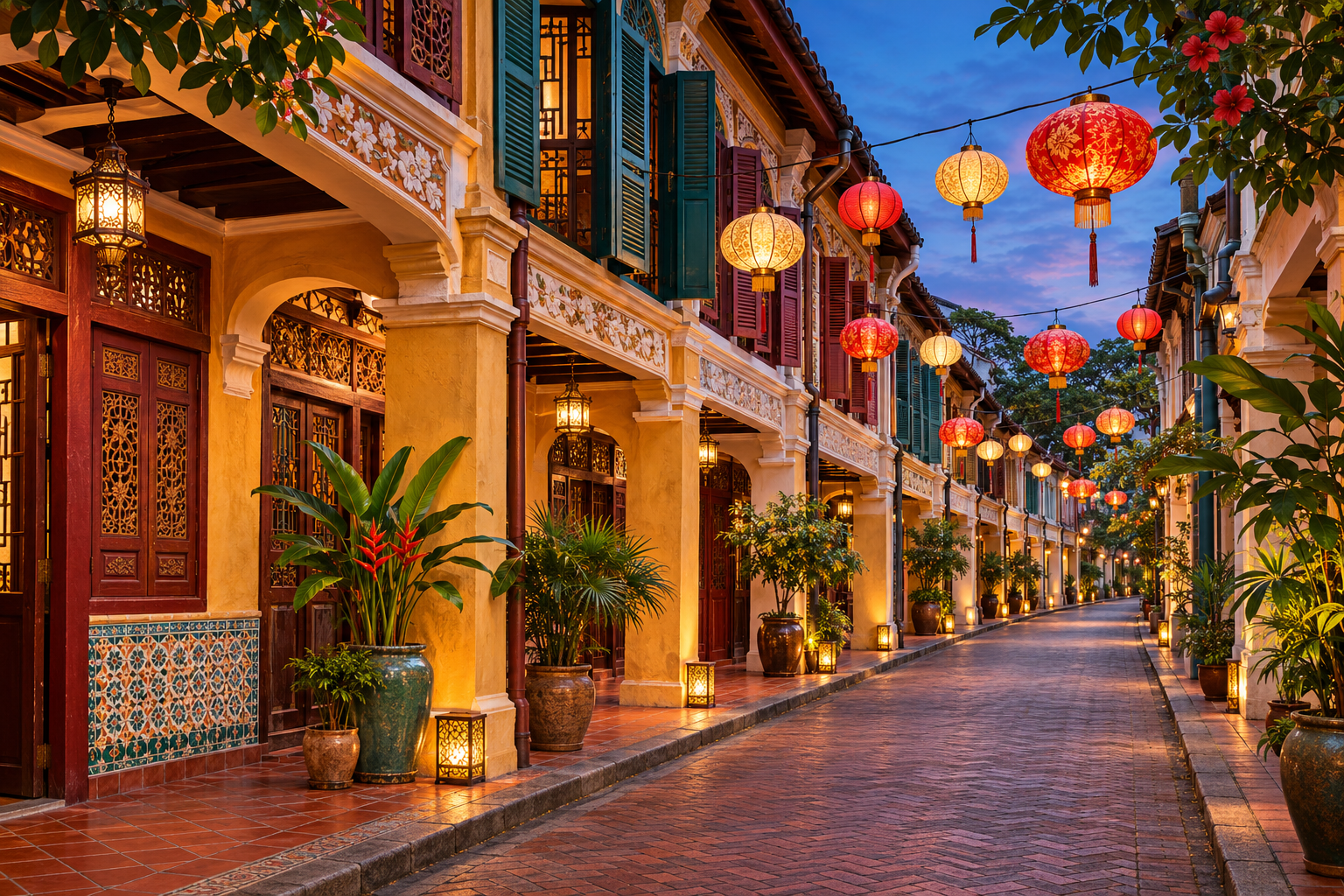
A useful Malaysia festival calendar helps a visitor decide where to go, when to arrive and what needs to be checked before travelling. Start by separating the date of an observance from the schedule of an event. A festival profile can explain why an occasion is celebrated, while a particular event listing establishes the programme at a named venue. Even an event that repeats annually may move to a different site or use a different schedule. Plan from the current edition and keep the organiser’s notice with the itinerary.
Find events for the area and dates you can visit
Begin with the places you can realistically reach. A state listing can include several towns and districts, and a city search may return events outside the centre. Enter a date range and shortlist events with a usable venue or a named organiser. Penang Global Tourism and Sabah Tourism Board both publish event listings that can help with this first search. Use those listings to discover options, then consult the programme for the individual event before setting your travel plans.
Record enough detail to distinguish similarly named events. Include the event title, year, town, venue and organiser. For a series spread over multiple locations, save the address of the activity you intend to attend. A festival venue can also have several entrances or performance areas. Check the location named in the programme instead of relying on the first map result for the venue.
Read the programme at the activity level
An event range tells you the period covered by the edition. It may give little information about the time of a particular performance, procession or workshop. Open the schedule and note the date, local time and entry requirements for each activity you want to attend. Find out whether it is open to the public, needs advance registration, or uses a separate ticket. If an event runs across several days, check the relevant day rather than assuming the programme repeats.
Treat special programme items as separate confirmations. An organiser may announce a countdown and publish the running order later. A fireworks display should appear as confirmed only when the organiser or venue explicitly includes it for the same edition. A promotional image can illustrate an event while showing a scene from another year. For travel decisions, rely on a dated notice or contact the organiser when the schedule remains unclear.
Keep a record you can update
For each stop, keep the event name, activity, date, venue address, entry information, source and the date you checked it. Add any practical question that remains open. This can be a simple note or calendar entry. Avoid setting a precise start time when the only available listing gives a day or a date range. Record the time as pending and decide how much of the itinerary can be settled without it.
If two notices disagree, check whether they refer to the same edition and programme item. A venue notice may announce a change that has yet to appear on a regional calendar. Give priority to the latest relevant statement from the organiser or venue, and ask for confirmation when the difference affects admission or transport. Keep a record of changes instead of silently replacing the earlier details. This makes it easier to tell a group which booking or journey needs to be updated.
Build an itinerary around a confirmed activity
Consider a visitor planning a weekend in Penang. The shortlist includes a daytime exhibition and an evening performance. The exhibition page lists an address and opening hours, while the performance page gives only the festival dates. The visitor can make the exhibition the first confirmed stop and keep the performance provisional until an individual showtime appears. If the performance is later announced at a different site, the visitor can compare the journey with the time available and decide whether it fits.
Leave time for entry, walking and transport between venues. If attending as a group, check whether everyone can use the same route and whether anyone needs step-free access, a place to rest or a quieter waiting area. Ask the organiser about the route for the event itself, because temporary entrances and viewing arrangements can differ from normal venue operations. Check transport for the return journey, especially if a programme ends after ordinary service hours or uses temporary road closures.
Recheck before the visit
Check the event’s original notice when booking and again before leaving. If an organiser announces a postponement, confirm whether a replacement date exists and whether a ticket can be used for it. A cancellation may affect only one part of a festival, so read the notice for the specific activity. If the venue changes, update the address and revisit the transport and access plan. Keep a copy of the latest notice where it can be consulted during the journey.
A practical calendar plan can be shared in a few lines: the confirmed stop, the time and place, the entry requirements, the source and any details still to be checked. Add a nearby alternative if the preferred event depends on conditions or a late announcement. This approach keeps the itinerary usable while programmes change and gives everyone in the group the same information to work from.